Understanding Trauma: Healing Begins at the Root
Many people live with anxiety, depression, panic, emotional numbness, or relationship struggles without realizing these experiences may be connected to unresolved trauma.
Trauma is not always obvious. It can stem from a single event, repeated experiences, or emotional wounds that were never fully processed.
Call us (858) 289-0671 or Book your free 15-minute consultation.
The Trauma Tree: Why Symptoms Keep Coming Back
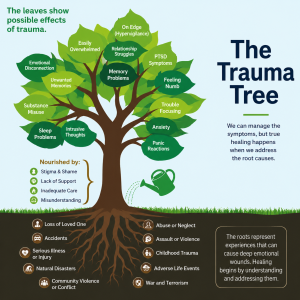
“We can take off the leaves, but the tree keeps growing until we get to the root.”
The Trauma Tree is a simple way to understand why symptoms often return when the underlying cause remains unaddressed.
The Leaves: How Trauma Shows Up
Trauma can manifest as:
- Hypervigilance and anxiety
- Flashbacks and nightmares
- Panic attacks and dissociation
- Depression and emotional numbness
- Substance abuse and insomnia
What Feeds the Tree
Several barriers can prevent healing:
- Stigma and labeling
- Lack of trauma-informed treatment
- Misdiagnosis and limited support
The Roots: Where Trauma Begins
Trauma may originate from:
- Childhood abuse and neglect
- Accidents and medical trauma
- War, terrorism, and violence
- Natural disasters and grief
- Systemic oppression and discrimination
Addressing symptoms can help, but lasting healing often comes from understanding and working through the root causes.
Call us (858) 289-0671 or Book your free 15-minute consultation.
Ready to Begin Healing?
Schedule Your Free 15-Minute Session
Call us today to discuss your concerns and explore the next steps toward healing.
Support Call: (858) 289-0671
Trauma Invalidation: When Your Feelings Were Dismissed
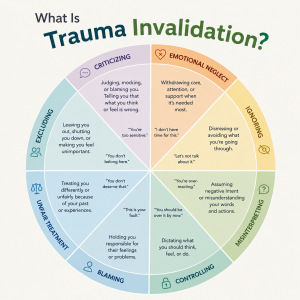
Traumatic invalidation occurs when your emotions, needs, or experiences are repeatedly ignored, minimized, criticized, or misunderstood.
Over time, this can affect how you see yourself and the world around you.
Common Effects of Emotional Invalidation
- Doubting your feelings and experiences
- Suppressing emotions to avoid judgment
- Feeling “too much” or “not enough”
- Low self-esteem and self-worth
- Difficulty trusting yourself or others
What Healing Can Look Like
Healing starts with creating emotional safety and learning to reconnect with yourself.
This may include:
- Naming your feelings without judgment
- Allowing emotions to exist without immediately fixing them
- Practicing self-compassion
- Building healthy boundaries
- Seeking support that honors your pace and experiences
You deserve understanding, validation, and support.
Call us (858) 289-0671 or Book your free 15-minute consultation.
Take the First Step
Schedule Your Free 15-Minute Session
Let’s talk about where you are today and how healing can begin.
Support Call: (858) 289-0671
This Is Trauma, Too
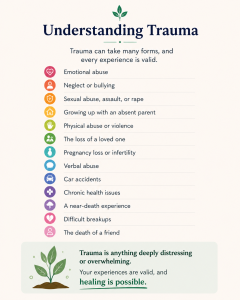
Many people dismiss their own pain because they believe others have experienced worse.
The truth is that trauma is personal.
If an experience felt overwhelming, frightening, unsafe, or impossible to process at the time, its impact is real.
Trauma Can Include
- Emotional abuse or verbal cruelty
- Neglect or bullying
- Sexual abuse or assault
- Growing up without an emotionally present parent
- Physical abuse or living in fear
- Loss of a loved one
- Pregnancy loss or infertility grief
- A serious accident or near-death experience
- Chronic illness and ongoing medical challenges
- A painful breakup or the sudden loss of a close friend
Trauma does not need to meet a certain standard to matter.
Your experiences are valid.
You Don’t Have to Carry It Alone
Healing is possible, no matter how long you’ve been carrying the weight of these experiences.
Schedule Your Free 15-Minute Session
Speak with a compassionate professional and start your journey toward healing.
Support Call: (858) 289-0671
Frequently Asked Questions
What is trauma?
Trauma is an emotional, psychological, or physical response to an event or series of experiences that felt overwhelming, distressing, or unsafe.
Can trauma cause anxiety and depression?
Yes. Trauma can contribute to anxiety, depression, panic attacks, emotional numbness, sleep problems, and other mental health challenges.
What is emotional invalidation?
Emotional invalidation occurs when a person’s feelings, needs, or experiences are dismissed, minimized, ignored, or criticized. Over time, it can significantly impact self-esteem and emotional wellbeing.
Do I need to experience a major event for it to be considered trauma?
No. Trauma is not defined by the event itself but by how the experience affected you. Emotional neglect, chronic stress, bullying, and repeated invalidation can all be traumatic.
Can trauma be healed?
Yes. With trauma-informed support, self-awareness, and appropriate therapeutic approaches, many people experience meaningful healing and improved emotional wellbeing.
How do I know if trauma therapy is right for me?
If you’re experiencing persistent emotional distress, relationship challenges, anxiety, depression, or difficulty moving forward from past experiences, trauma-informed therapy may help you better understand and process those experiences.
Start Your Healing Journey Today
You are not broken.
You are not weak.
You are not alone.
Healing starts with one conversation.
Schedule Your Free 15-Minute Session
Support Call: (858) 289-0671