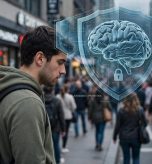
Feeling emotionally numb after trauma can be confusing. You may know that something affected you, but instead of feeling sad, angry, or afraid, you feel nothing. You may feel disconnected from yourself, your relationships, or things you once enjoyed.
Emotional numbness can occur as part of a trauma response. The National Institute of Mental Health (NIMH) notes that PTSD can involve detachment, difficulty experiencing positive emotions, social isolation, and other changes in mood and thinking.
Is Emotional Numbness a Sign of Trauma?
It can be. After a traumatic experience, some people become less emotionally responsive as a way of coping with overwhelming feelings. You might think, “I should be upset about this, but I don’t feel anything.”
Numbness may also appear alongside anxiety, depression, sleep difficulties, avoidance, or feeling constantly on edge. These symptoms do not automatically mean you have PTSD. A qualified mental health professional can help determine what you are experiencing and whether trauma-focused treatment is appropriate.
If you are searching for trauma therapy in San Diego, an individualized assessment can help connect your symptoms with what may be happening emotionally and physically.

Why Do I Feel Disconnected From People?
Trauma-related numbness can affect relationships. You may find it difficult to feel close to your partner, family, or friends. You may withdraw, stop communicating, or feel as though you are watching your life from a distance.
This does not necessarily mean that you no longer care about the people around you. It may mean that your emotional system is having difficulty responding normally after overwhelming experiences.
For adults experiencing these patterns, Trauma & PTSD Recovery Therapy can provide a structured place to understand these responses and work toward recovery.
Looking for a trauma therapy session? Call us (858) 289-0671 or Book your free 15-minute consultation.
Can Trauma Therapy Help With Emotional Numbness?
Trauma therapy can help you understand what may be contributing to emotional numbness and develop a safer way to process difficult experiences. Treatment can address trauma memories, emotional regulation, anxiety, relationship patterns, and the sense of disconnection that may have developed over time.
The VA National Center for PTSD identifies trauma-focused psychotherapies, including EMDR, as evidence-supported treatments for PTSD.
EMDR may be particularly relevant when past experiences continue to create distress in the present. The VA National Center for PTSD explains that EMDR helps people process trauma memories while remaining connected to the present.
How Karem Smith Helps With Trauma Recovery
Karem Smith, LMFT 105577, EMDRIA-Certified, provides trauma-informed therapy for adults across California. Her work may incorporate EMDR, Internal Family Systems (IFS), attachment-based therapy, mindfulness, psychodynamic approaches, and solution-focused therapy.
Karem can help you explore why you feel disconnected, identify patterns that may have developed after trauma, and build greater emotional awareness and regulation. Therapy is personalized rather than based on a one-size-fits-all approach.
Whether you are looking for PTSD therapy in San Diego, trauma counseling in another California community, or secure online therapy across California, support is available.
Ready to talk about what you’re experiencing? Call us (858) 289-0671 or Book your free 15-minute consultation.
Insurance & Fees
We are in-network with the following insurance plans:
Aetna, Anthem Blue Cross, Blue Cross Blue Shield, and Providence Health Plan
Out-of-network: We provide a superbill after each session so you can submit it to your insurance for potential reimbursement.
If emotional numbness, detachment, or other trauma-related symptoms are affecting your relationships, work, sleep, or daily life, professional support may be appropriate. If you are experiencing thoughts of suicide or self-harm, call or text 988. In a life-threatening emergency, call 911.