Many people use PTSD and Complex PTSD (C-PTSD) interchangeably, but they aren’t the same condition. Both develop after trauma, yet the type of trauma and how it affects someone’s life can be very different.
Knowing the difference can help you better understand your experiences and find the right support.
What Is PTSD?
Post-Traumatic Stress Disorder (PTSD) usually develops after one traumatic event, such as:
A serious car accident
Military combat
Physical assault
Natural disasters
Witnessing violence
People with PTSD may experience flashbacks, nightmares, anxiety, and avoid situations that remind them of the traumatic event.
If you’re interested in learning more about how trauma impacts the brain and body, visit Understanding Trauma.
Call us (858) 289-0671 or Book your free 15-minute consultation.
What Is Complex PTSD?
Complex PTSD develops after repeated or long-term trauma, especially when someone feels powerless or unable to leave the situation.
Examples include:
Childhood abuse or neglect
Domestic violence
Long-term emotional abuse
Human trafficking
Ongoing bullying
Chronic family conflict
Instead of one traumatic event, Complex PTSD builds over months or years.

Key Differences Between PTSD and Complex PTSD
| PTSD | Complex PTSD |
|---|---|
| Often caused by one traumatic event | Caused by repeated or prolonged trauma |
| Flashbacks and nightmares are common | Includes flashbacks plus emotional regulation difficulties |
| Fear is usually tied to one event | Trauma affects identity, relationships, and self-worth |
| Avoidance of reminders | Ongoing struggles with trust and emotional safety |
| Recovery often focuses on one traumatic memory | Recovery addresses multiple traumatic experiences |
Both conditions deserve compassionate, evidence-based treatment.
Call us (858) 289-0671 or Book your free 15-minute consultation.
Shared Symptoms
People with PTSD or Complex PTSD may experience:
Flashbacks
Nightmares
Anxiety
Difficulty sleeping
Hypervigilance
Emotional distress
Professional Anxiety Counseling and Depression & Anxiety Management can help reduce these symptoms while supporting long-term recovery.
Call us (858) 289-0671 or Book your free 15-minute consultation.
Symptoms More Common in Complex PTSD
Complex PTSD often includes additional challenges, such as:
Feeling “not good enough”
Chronic shame or guilt
Difficulty trusting others
Emotional numbness
Intense mood swings
Fear of abandonment
Trouble maintaining healthy relationships
Many people also benefit from Family & Relationship Support or Relationship & Communication Therapy as part of their healing journey.
Call us (858) 289-0671 or Book your free 15-minute consultation.
Can Both Conditions Be Treated?
Yes.
Trauma doesn’t have to define your future. With the right treatment, many people experience meaningful healing and improved emotional well-being.
Treatment options may include:
Individual counseling
Mindfulness and coping skills
Emotional regulation strategies
Every recovery journey is unique, and therapy is tailored to your individual needs.
Call us (858) 289-0671 or Book your free 15-minute consultation.
When Should You Reach Out for Help?
If trauma is affecting your relationships, work, sleep, or daily life, it may be time to talk with a professional.
Seeking support isn’t about being weak—it’s about giving yourself the opportunity to heal and move forward.
About EMDR Healing Therapy
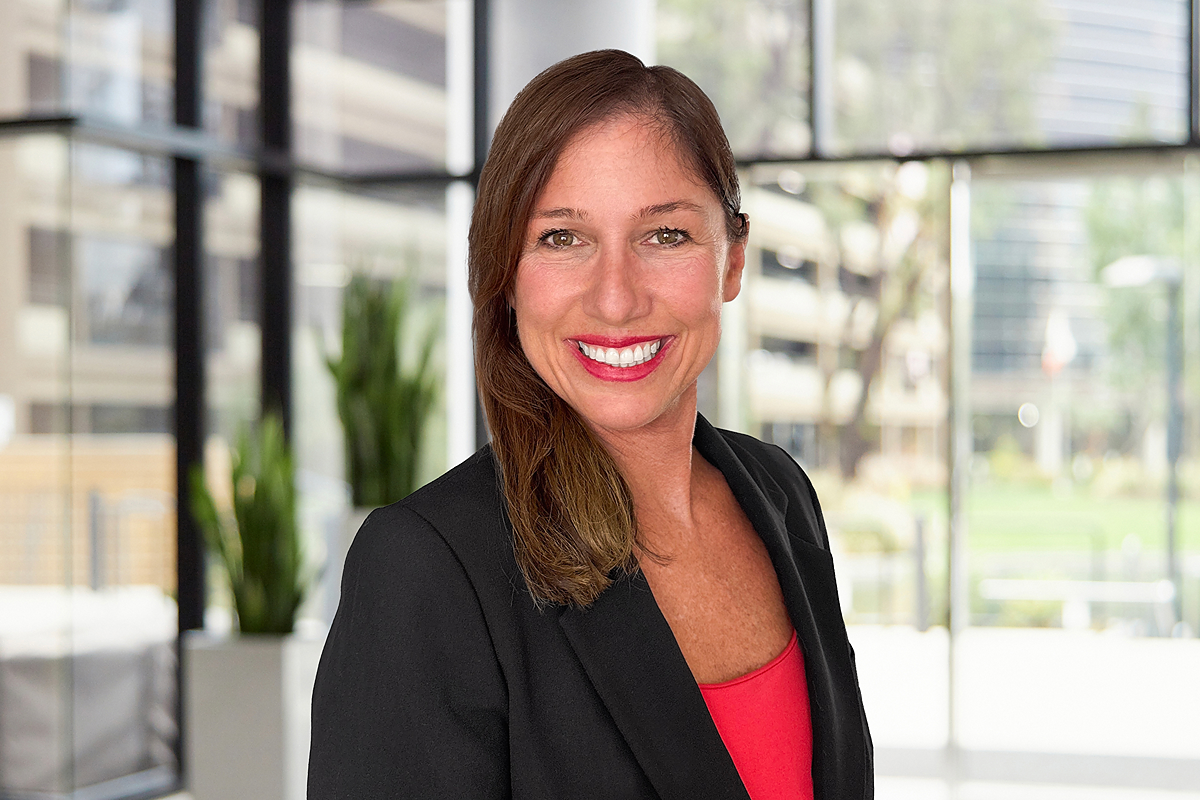
I’m a Licensed Marriage and Family Therapist (LMFT105577) and EMDRIA-Certified clinician, as well as the founder of EMDR Healing Therapy, Inc.
I help adults overcome trauma, build confidence, and create healthier relationships through compassionate, trauma-informed care in a safe and supportive environment.
Schedule Your Free Consultation
If you’re ready to better understand PTSD or Complex PTSD, support is available.
Schedule Your Free 15-Minute Session today
Call us (858) 289-0671 or Book your free 15-minute consultation.